When applying for a trademark in India, choosing the correct class is as important as choosing the brand name. The Trade Marks Registry groups goods and services into 45 classes under the Nice Classification. Classes 1–34 cover goods, while Classes 35–45 cover services. A trademark application must identify the goods or services for which protection is sought; a class number alone does not describe the scope of the claim.
India’s classification framework follows the current edition of the Nice Classification published by the World Intellectual Property Organization (WIPO). The 13th edition, version 2026 (NCL 13-2026), is in force from 1 January 2026. The 2027 version has been advance-published and is scheduled to take effect on 1 January 2027. Applicants filing near the transition should confirm the applicable version and specific item classification before filing.
Why trademark classes matter
Section 7 of the Trade Marks Act, 1999 deals with classification of goods and services, while Rule 20 of the Trade Marks Rules, 2017 requires classification according to the current Nice Classification. The official rules also provide for the Registrar’s class-wise and alphabetical index. This is why a business should not select a class simply because another business in the same industry has used it.
Trademark rights relate to the mark in connection with the goods or services claimed. For example, a company that sells its own clothing may require Class 25, while a business that provides a retail service for a variety of clothing brands may also need to consider Class 35. A restaurant brand may cover food products in Class 30 and food-service activity in Class 43. The exact specification—not merely the class heading—matters.
Official references: Trade Marks Rules, 2017 (Rule 20), IP India – Basics of Trademarks and WIPO Nice Classification.
Trademark Classes 1–34: Goods
These classes generally cover products, materials and physical goods. The following descriptions are practical summaries of the class headings, not exhaustive specifications.
| Class |
Goods commonly covered |
| 1 |
Industrial, scientific and agricultural chemicals; fertilizers; resins and industrial adhesives |
| 2 |
Paints, varnishes, lacquers, colourants, printing inks and anti-corrosion preparations |
| 3 |
Non-medicated cosmetics, toiletries, perfumes and cleaning preparations |
| 4 |
Industrial oils, lubricants, fuels, waxes and candles |
| 5 |
Pharmaceuticals, medical preparations, disinfectants and dietary supplements for medical purposes |
| 6 |
Common metals, metal building materials, hardware, metal containers and metal safes |
| 7 |
Machines, machine tools, motors and industrial equipment |
| 8 |
Hand-operated tools, cutlery, razors and non-powered implements |
| 9 |
Scientific, electronic, computer and software-related goods; downloadable software; recording and safety apparatus |
| 10 |
Medical, surgical, dental and veterinary apparatus and instruments; certain corrective eyewear under the 2026 classification |
| 11 |
Lighting, heating, cooling, cooking, water-supply and sanitary apparatus |
| 12 |
Vehicles and apparatus for transport by land, air or water |
| 13 |
Firearms, ammunition and explosives; fireworks |
| 14 |
Jewellery, precious metals, gemstones, watches and clocks |
| 15 |
Musical instruments and accessories specifically classified with them |
| 16 |
Paper, printed matter, stationery, books, photographs and office supplies |
| 17 |
Rubber, plastics in semi-processed form, insulation and flexible non-metallic materials |
| 18 |
Leather and imitation leather goods, bags, luggage, umbrellas and certain animal accessories |
| 19 |
Non-metallic building materials, stone, cement and rigid construction materials |
| 20 |
Furniture, mirrors, picture frames and certain non-metallic household goods |
| 21 |
Household and kitchen utensils, glassware, cleaning articles and containers |
| 22 |
Ropes, nets, tents, tarpaulins, sacks and raw textile fibres |
| 23 |
Yarns and threads for textile use |
| 24 |
Textiles, fabrics, bed and table linen and textile household coverings |
| 25 |
Clothing, footwear and headwear |
| 26 |
Lace, embroidery, ribbons, buttons, zippers and certain hair decorations |
| 27 |
Carpets, rugs, mats, linoleum and other floor coverings |
| 28 |
Games, toys, sporting and gymnastic articles, festive decorations |
| 29 |
Meat, fish, poultry, dairy, preserved fruits and vegetables, edible oils and prepared foods in this class |
| 30 |
Coffee, tea, cocoa, cereals, flour, bread, pastries, confectionery, spices and many snack foods |
| 31 |
Raw agricultural products, fresh fruit and vegetables, seeds, plants, flowers and animal feed |
| 32 |
Beer and non-alcoholic beverages, mineral and aerated waters, fruit drinks and syrups |
| 33 |
Alcoholic beverages other than beer |
| 34 |
Tobacco and tobacco substitutes, smoking articles, matches and electronic cigarettes |
Trademark Classes 35–45: Services
Services are classified separately from goods. A company may manufacture a product, operate a shop, provide professional advice and deliver software services—each activity can fall in a different class.
| Class |
Services commonly covered |
| 35 |
Advertising, marketing, business management, administration, office functions and retail/wholesale services for others |
| 36 |
Insurance, financial services, banking, real estate and monetary affairs |
| 37 |
Construction, installation, repair, maintenance and cleaning of buildings or equipment |
| 38 |
Telecommunications, transmission, broadcasting and communications services |
| 39 |
Transport, delivery, storage, packaging of goods and travel arrangements |
| 40 |
Material treatment, manufacturing for others, recycling, printing and food processing |
| 41 |
Education, training, entertainment, sports, cultural activities and publishing-related services |
| 42 |
Scientific and technological services, research, design, software development, SaaS and IT services |
| 43 |
Food and drink services, restaurants, cafés, catering and temporary accommodation |
| 44 |
Medical, veterinary, hygiene, beauty, agriculture, horticulture and forestry services |
| 45 |
Legal services, security, social networking, personal and certain social services |
How to use the class list when selecting a class
1. Start with the actual product or service. Make a list of each item sold, manufactured, provided or planned to be offered under the mark. Avoid selecting a class solely from the company’s incorporation object or a broad industry description.
2. Distinguish goods from services. Selling a product does not automatically mean that the applicant is offering retail services to others. Class 35 can be relevant to marketplace, retail, wholesale, advertising or business services; the goods themselves may belong in other classes.
3. Search specific items, not only class headings. Use WIPO’s classification search and the Registry’s goods/services index. Class headings are summaries; the accepted terms and explanatory notes help determine the precise classification.
4. Check related classes and business extensions. A mark may be used for several related goods or services. A clothing manufacturer may also sell through a retail platform; a downloadable app may be different from a cloud-based software service. Consider relevant adjacent classes, but do not file indiscriminately.
5. Confirm the current version. The Nice Classification is updated. The 2026 version includes classification changes, including certain eyewear items moving from Class 9 to Class 10. Check the classification in force on the filing date and the official item entry before submitting.
6. Draft a precise specification. Rule 23 of the Trade Marks Rules addresses the application specification and permits multiple classes in a single application. It also allows the Registrar to question an overly broad claim covering all goods or services in a class, or a large variety, if it is not justified by actual or intended use.
Examples of class selection
- A cosmetics label may need Class 3 for non-medicated cosmetics; medicated products may fall in Class 5.
- A clothing brand may use Class 25 for clothing, and may separately consider Class 35 for retail services provided to customers.
- A software company may need Class 9 for downloadable software and Class 42 for SaaS or software development services.
- A café may consider Class 43 for food-and-drink services and Class 30 for packaged coffee, bakery products or certain food goods.
- A legal practice’s professional legal services generally fall in Class 45; a legal-information app may raise separate classification questions depending on its features and goods/services description.
These are examples only. Classification depends on the specific product wording, function, use and commercial activity.
Common mistakes to avoid
- Assuming the class heading covers every product in that industry.
- Filing only in one class when the brand is used for distinct goods and services.
- Adding unrelated items “just in case,” creating an unnecessarily broad specification.
- Confusing a product’s class with the class of a retailer, distributor, platform or service provider.
- Using old class lists without checking recent Nice Classification amendments.
- Assuming a class registration automatically protects the mark across all 45 classes.
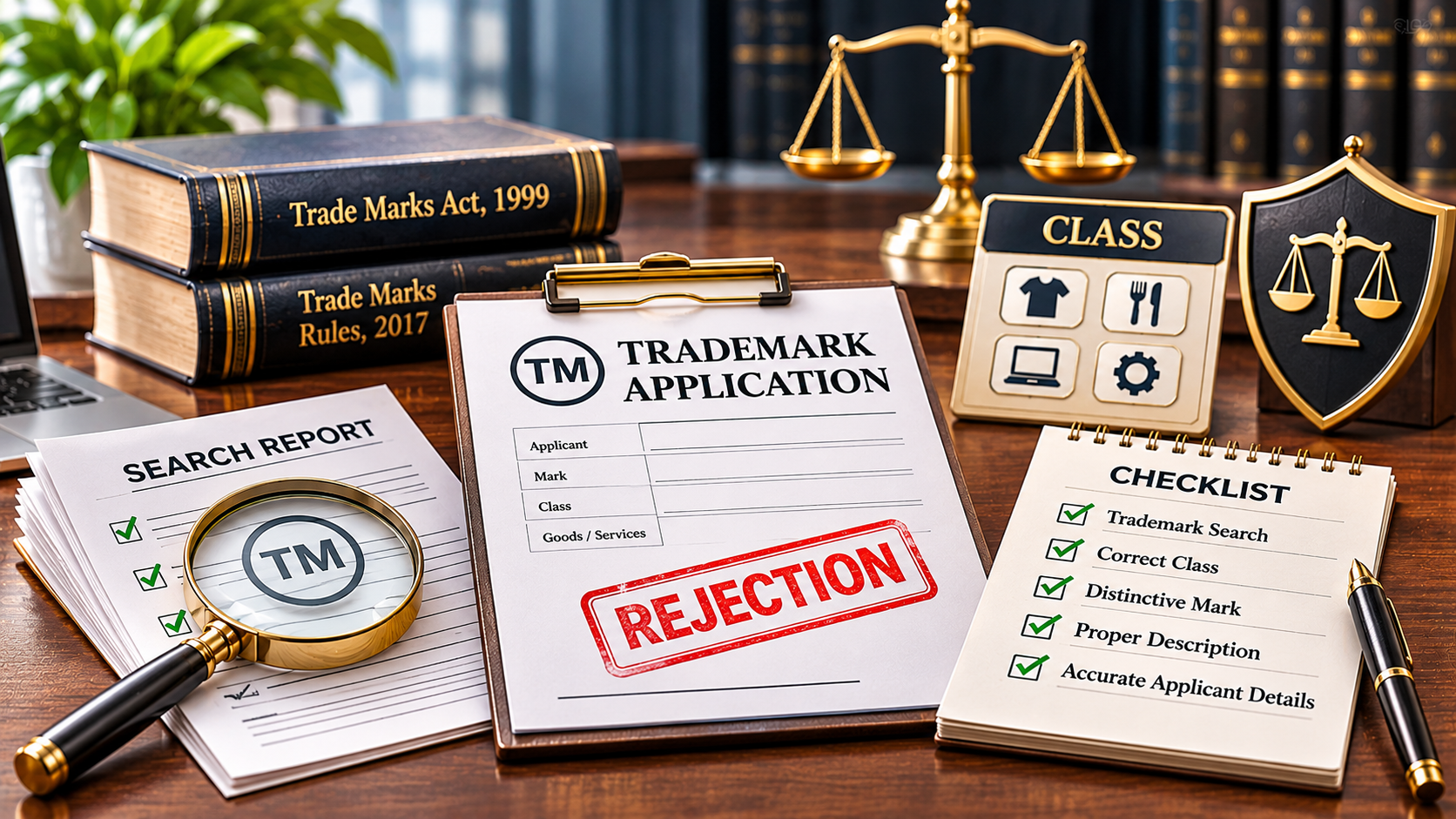
A class is a classification tool—not a complete description of legal protection. A properly drafted specification, clearance search, and analysis of similar marks in relevant and related classes are all important before filing.
Frequently Asked Questions
1. How many trademark classes are there in India?
There are 45 classes under the Nice Classification: 34 goods classes and 11 service classes.
2. Which classes cover goods and services?
Classes 1–34 cover goods. Classes 35–45 cover services.
3. Does India follow the Nice Classification?
Yes. Rule 20 of the Trade Marks Rules, 2017 refers to the current Nice Classification published by WIPO.
4. Can I register a trademark in more than one class?
Yes. Section 18(2) allows a single application to cover different classes, subject to the required specification and class-wise fees.
5. Does the class heading provide complete protection?
No. The exact goods or services specification is important. Class headings are general summaries, and protection is not automatically for every item within a class.
6. Can two companies use the same trademark in different classes?
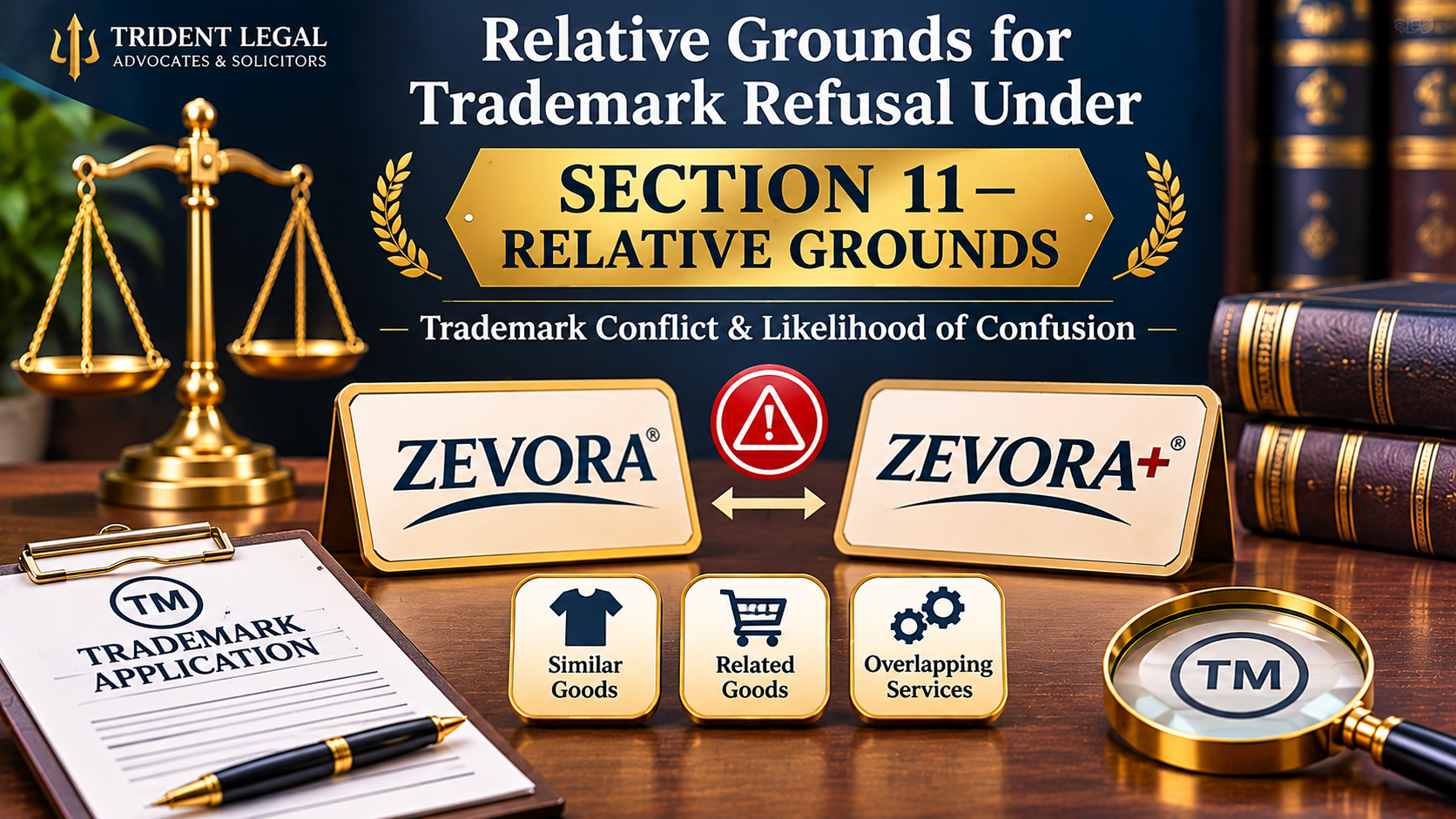
Possibly, but different class numbers alone do not resolve conflict. Similarity of marks, related goods/services, trade channels, confusion and other legal factors may still matter.
7. Which class is used for online retail?
Class 35 can cover retail and marketplace services for bringing together goods for customers to view and purchase. The specific service description must be checked.
8. Which class covers software?
Downloadable software is generally in Class 9. Software as a service (SaaS), software development and many technology services are generally in Class 42. The actual offering determines the wording and classification.
9. Can I add another class after filing?
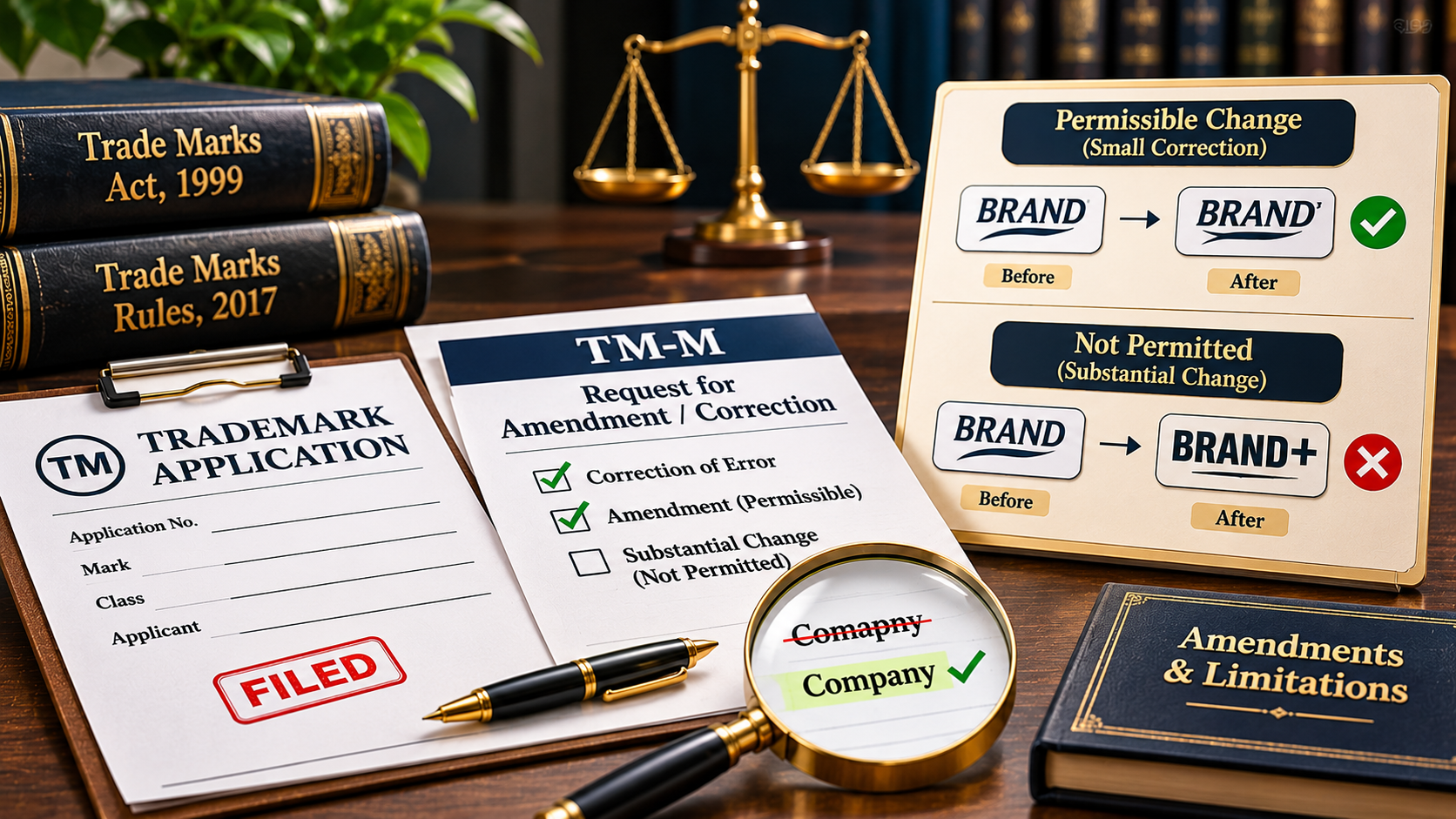
Adding classes or changing a specification after filing is subject to the Act and Rules and may require an amendment request, additional fee or a new application. Do not assume every change will be accepted.
10. Where can I check the correct class?
Use the WIPO Nice Classification and IP India’s official classification resources. Search the exact product or service and read the class explanatory notes, then confirm the wording before filing.
Important disclaimer
This article is general legal information for educational purposes only. It is not legal advice, legal opinion or a legal solution to any specific matter, and it does not create an advocate-client relationship. Classification and trademark protection depend on the precise goods/services, current classification edition, facts and applicable law. Always verify the latest official classification and Registry requirements before filing.
Further reading: How to Register a Trademark in India · Trademark Registration for Startups in India · Trademark Infringement Remedies in India
Post Views: 63