A trademark application published in the Trade Marks Journal may be challenged before registration. Section 21 of the Trade Marks Act, 1999 allows “any person” to oppose within the prescribed period. The opponent need not invariably be a registered trademark proprietor. The merits depend on pleaded grounds, evidence, statutory provisions and procedure.
Who can oppose?
- Proprietor of an earlier registered mark or application;
- Prior user of an unregistered mark asserting earlier rights and goodwill;
- Business or individual affected by a legally relevant prior right;
- Owner of a well-known mark seeking statutory protection;
- Any other person able to raise a legally sustainable ground under the Act.
The words “any person” in Section 21 are broad. But the right to lodge a notice is not a guarantee of success: an opponent must identify legal grounds and comply with the prescribed process.
Deadline for filing opposition
Rule 42 requires a notice of opposition in Form TM-O within four months from publication of the application in the Trade Marks Journal. Confirm the journal date and calculate the deadline carefully; do not leave filing until the last day.
Common grounds for opposition
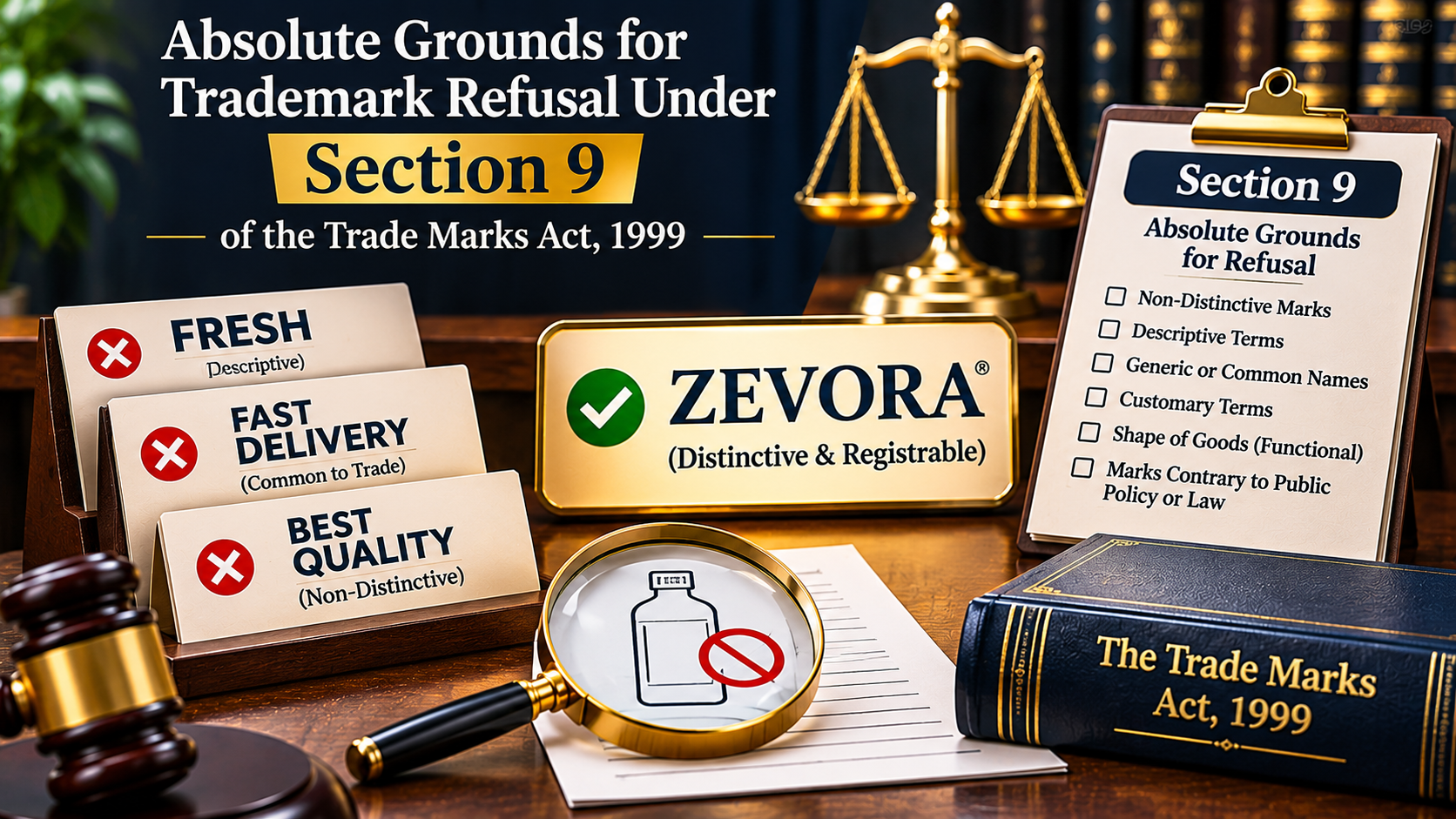
1. Lack of distinctiveness — Section 9(1)(a)
A mark that cannot distinguish one trader’s goods or services from another may be opposed. Consider the mark’s overall character and relevant consumer perception.
2. Descriptive or customary expression — Section 9(1)(b)–(c)
Words exclusively describing kind, quality, purpose, geographical origin or other characteristics, or customary expressions in trade, may face refusal. Ground the objection in actual trade usage and context.
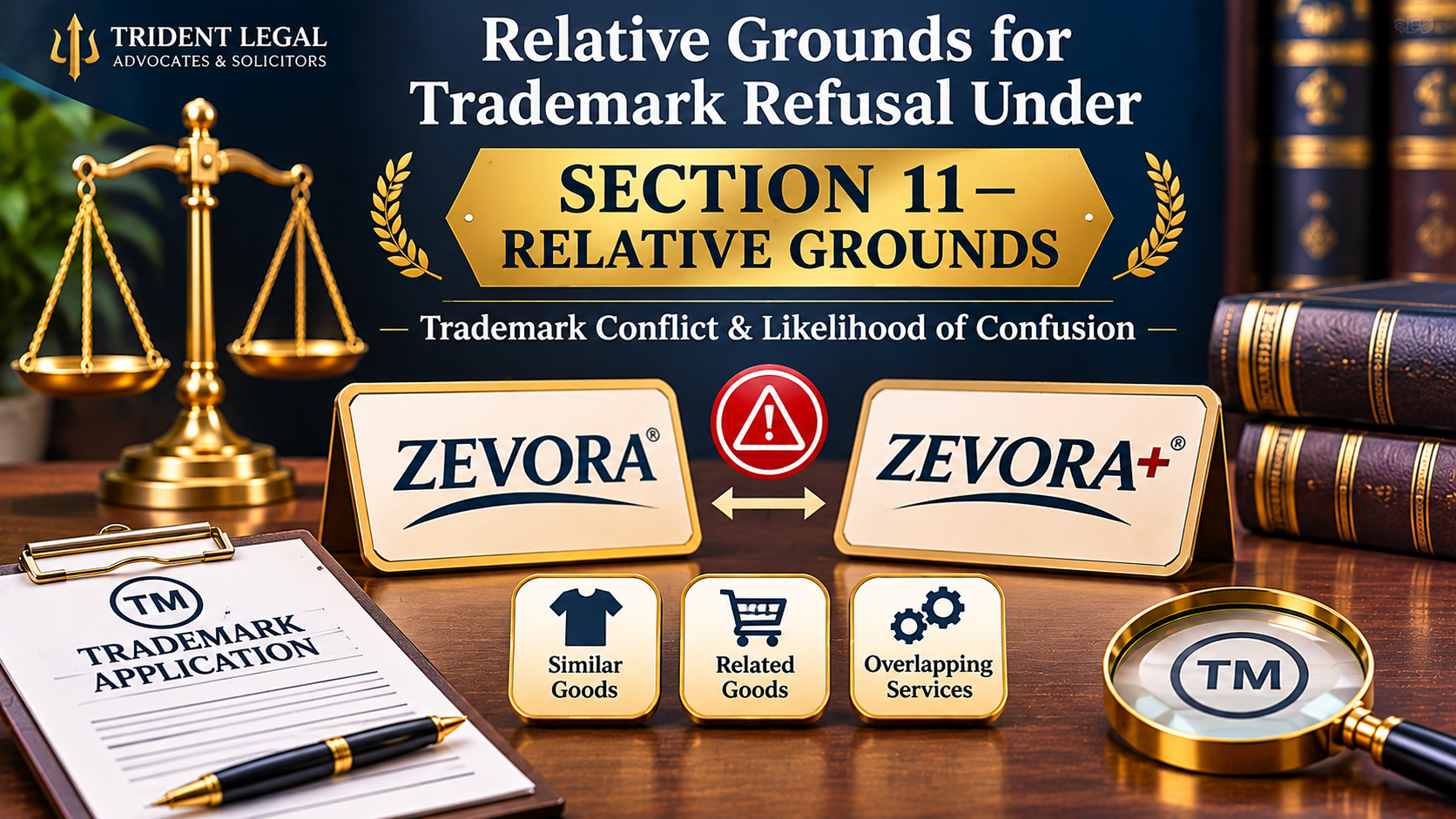
3. Likelihood of confusion — Section 11(1)
Registration may be refused where an identical or similar mark and identical or similar goods/services create a likelihood of confusion or association. Compare overall marks, consumer impression, goods/services, channels and relevant market context.
4. Earlier rights and prior use — Sections 11 and 34
Earlier adoption and use may be important. Prior users may have rights without registration, depending on facts. Dated invoices, sales records, packaging, advertising, catalogues and website evidence may establish use, extent, continuity and goodwill.
5. Well-known trademark — Section 11(2)–(3)
Well-known marks may obtain protection beyond similar goods/services in specified circumstances, including unfair advantage or detriment to distinctive character or reputation. Reputation must be supported by evidence, not bare assertions.
6. Honest concurrent use or special circumstances — Section 12
The Registrar may, in appropriate circumstances, permit similar marks to coexist subject to limitations. An opponent can explain why coexistence would be inappropriate, while the applicant may rely on honest concurrent use or special circumstances.
7. Deception or prohibited matter — Section 9(2)
Grounds may include deception or confusion, religious susceptibilities, scandalous or obscene matter, or prohibited use of protected names and emblems, where the facts engage the statutory prohibition.
8. Specialized restrictions — Sections 13 and 14
Where relevant, objections may concern certain chemical names or compounds, or personal names/representations addressed by the Act. These are specialized grounds and should be invoked only when facts fit.
9. Proprietorship and entitlement — Section 18(1)
The application requires a claim to proprietorship. Where facts support an allegation that the applicant is not the proprietor or the claim is untenable, an opponent may raise it with evidence relating to adoption, ownership, assignments, agency, business relationships or other circumstances.
10. Dishonest adoption or bad faith circumstances
Copying, knowledge of an earlier mark, prior business dealings or attempts to appropriate a brand may be relevant to pleaded statutory grounds and assessment. Plead a clear chronology and connect it to documents.
Evidence an opponent should preserve
- Earlier registrations, application records and journal extracts;
- Invoices, purchase orders, sales records and dated tax documents;
- Packaging, labels, brochures, catalogues and advertisements;
- Dated website and social-media materials;
- Evidence of market presence, geography and customer recognition;
- Licences, assignments, partnership records and correspondence concerning ownership or adoption;
- Reputation evidence showing duration, reach, promotion and recognition.
Preparing Form TM-O
Rule 43 requires particulars of the challenged application, goods/services, opponent, earlier mark/right relied on and grounds. The notice must be verified in the prescribed manner. Plead each ground distinctly, state the supporting facts and identify the scope of opposition. Avoid generic allegations unsupported by evidence.
What happens after the notice?
The Registrar serves the notice on the applicant. The applicant ordinarily has two months from receipt to file a counter-statement; non-filing may result in deemed abandonment. Evidence then proceeds under Rules 45–47, followed by hearing and decision under Rule 50. Track service dates, filing acknowledgments and each evidence deadline.
FAQs
1. Can anyone oppose a trademark application?
Section 21 says “any person” may oppose within the prescribed period, but the notice must satisfy legal and procedural requirements.
2. Must the opponent own a registered trademark?
No. Registration is not an absolute prerequisite; earlier use and other grounds may be relevant where properly supported.
3. Can an individual oppose a company’s mark?
Yes. The statute does not limit oppositions to companies or registered proprietors.
4. Can an unregistered prior user oppose?
Potentially. Earlier use, goodwill and rights may be relevant, including under Section 34, depending on evidence and circumstances.
5. What is the deadline?
Generally four months from Trade Marks Journal publication under Rule 42. Confirm the official publication date.
6. What are the strongest grounds?
There is no universal strongest ground. Similarity/confusion, earlier rights, descriptiveness, lack of distinctiveness, entitlement and reputation depend on facts.
7. Can I oppose only selected goods/services?
Yes, the notice can identify the goods/services challenged; accurately define its scope and class.
8. Can I oppose based on a trade name?
Potentially, if evidence and the applicable legal ground establish earlier rights or another basis for refusal.
9. What if the applicant does not file a counter-statement?
Section 21(2) provides for deemed abandonment when the counter-statement is not filed within the prescribed time.
10. Can parties settle?
They may explore a properly documented coexistence or settlement arrangement, but the Registry record must be addressed through the appropriate procedural steps.
Conclusion
Trademark opposition lets a person raise relevant legal objections before registration. A strong notice identifies the earlier right or statutory issue, explains why registration should be refused, and supports each allegation with evidence while observing strict deadlines.
Disclaimer: General legal information only, not legal advice. Check the current Trade Marks Act, Rules, official record and applicable deadlines.
Post Views: 51